hero background
PRS

Here at Peatland Restoration Scotland we understand the important role our Peatlands have to play in the global fight against climate change.

Contact Us

Peatland Restoration Scotland

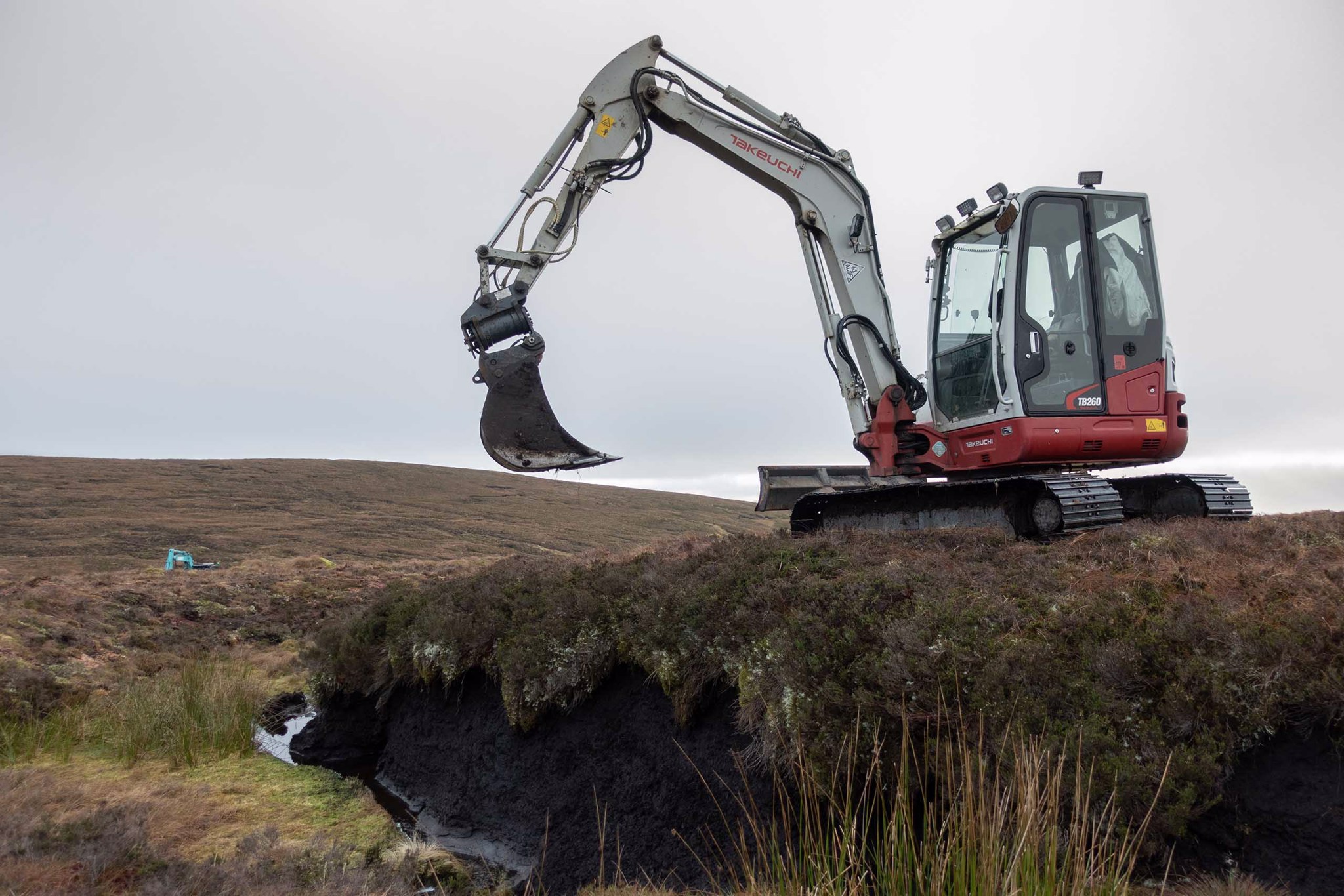
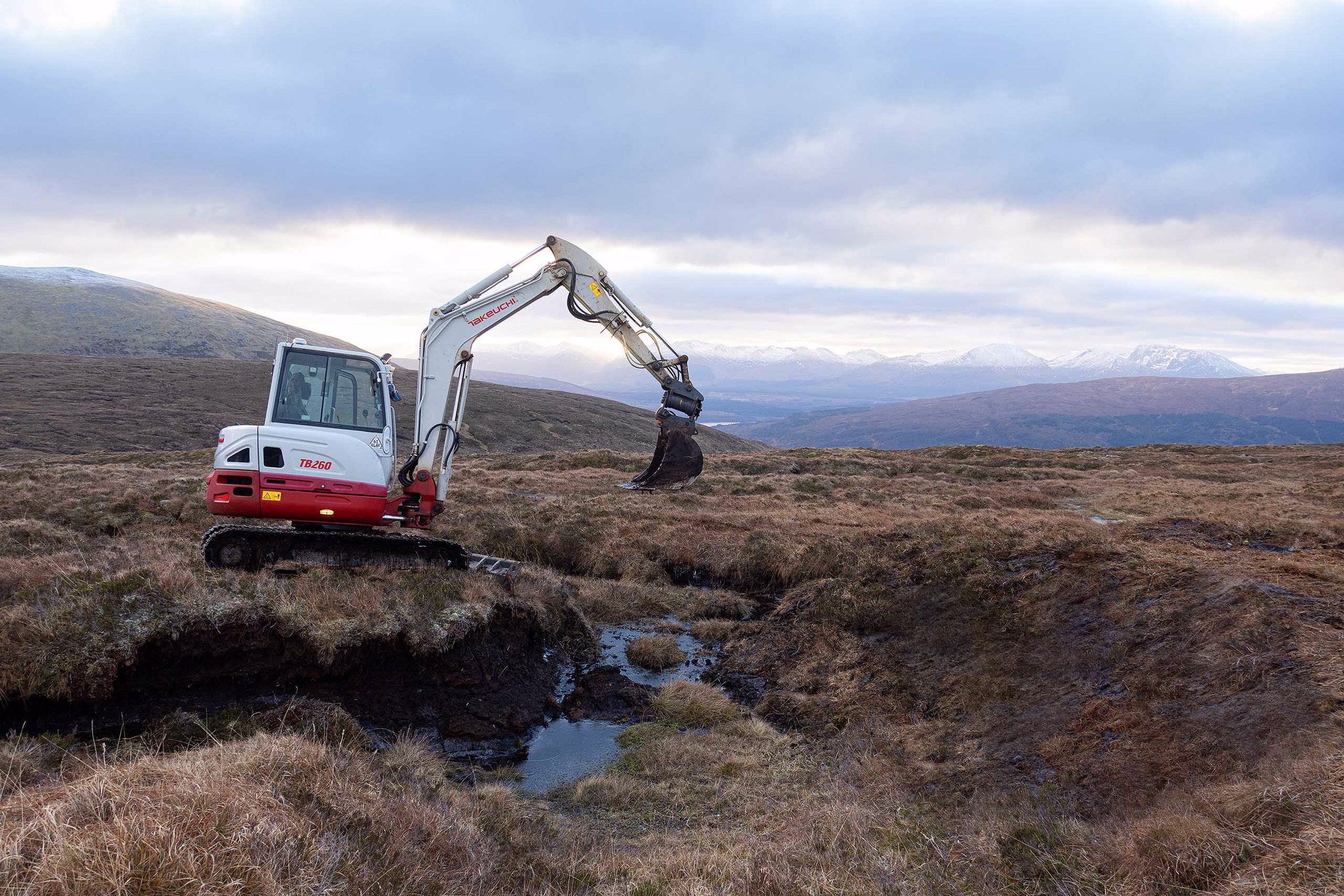
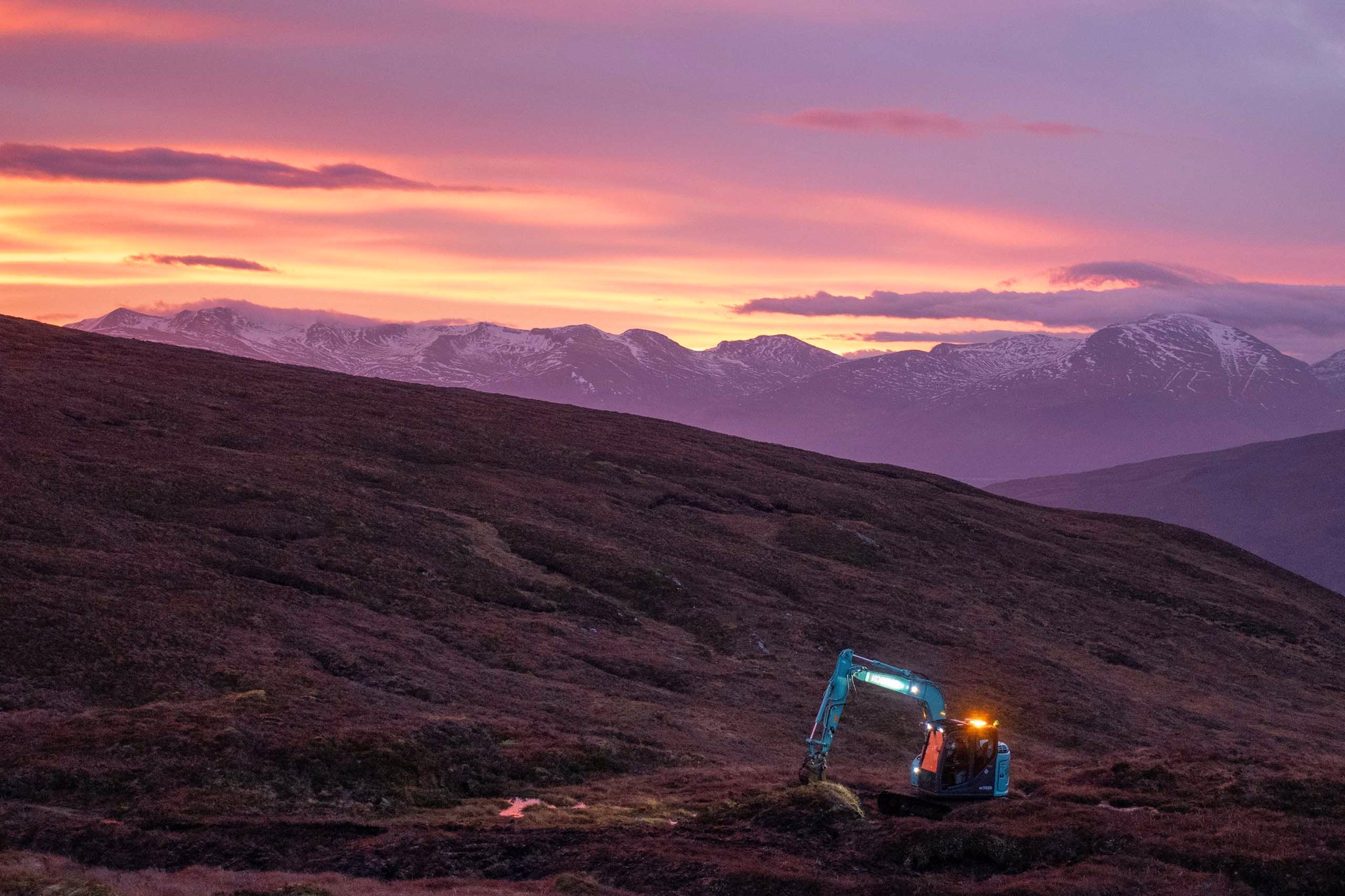
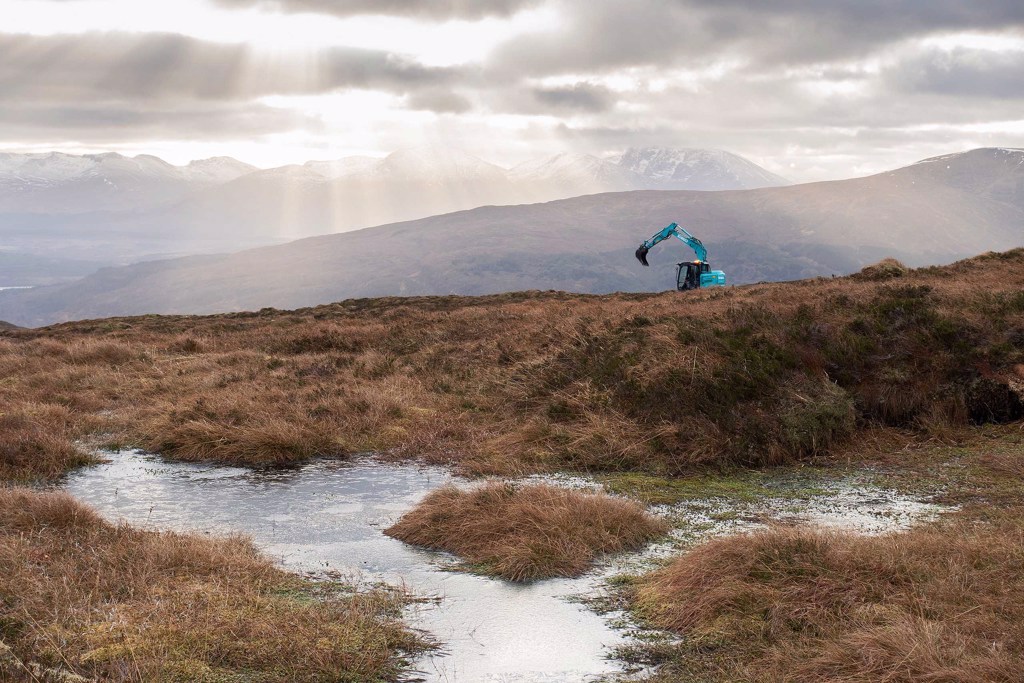
With extensive experience operating in Scotland’s challenging upland environments, we provide a highly skilled team and specialized low ground pressure machinery for peatland restoration projects.

Our work is vital for both climate action and biodiversity. By repairing degraded peatlands, we help lock away atmospheric carbon while also restoring ecosystems and encouraging a wide range of species to thrive. We welcome the opportunity to discuss your project.
Read more about our ambitions

Peatland Background

Peatlands are the largest, terrestrial natural carbon sink in the world. However, over time large areas have become degraded and can now act as a carbon source. 

Although peatlands cover 20% of Scotland’s land area, 80% of peatland areas are classed as ‘degraded’ and in need of restoration work. Comprehension of the carbon store in peatlands is difficult however Scotland hold 140 years of the country’s greenhouse gas emissions. 

What are Peatlands?

Carbon is stored in peat beneath the living vegetation of peatlands. Peat is formed through incomplete decomposition of the vegetation in waterlogged, ‘pickling’ conditions also created by the plants. As vegetation dies each year, it accumulates, and this leads to the steady upward growth of the bog and its store of carbon in the accruing peat. The definition of a peatland is an area of peat covered terrain with a minimum depth of 30cm

Reversing biodiversity loss

Peatlands in an optimum state are home to a huge variety of wildlife, including curlews, golden plover, and hen harriers. Degradation reduces the quality of peatland habitats, so restoration is also crucial in reversing biodiversity loss.

Peatland Restoration Techniques

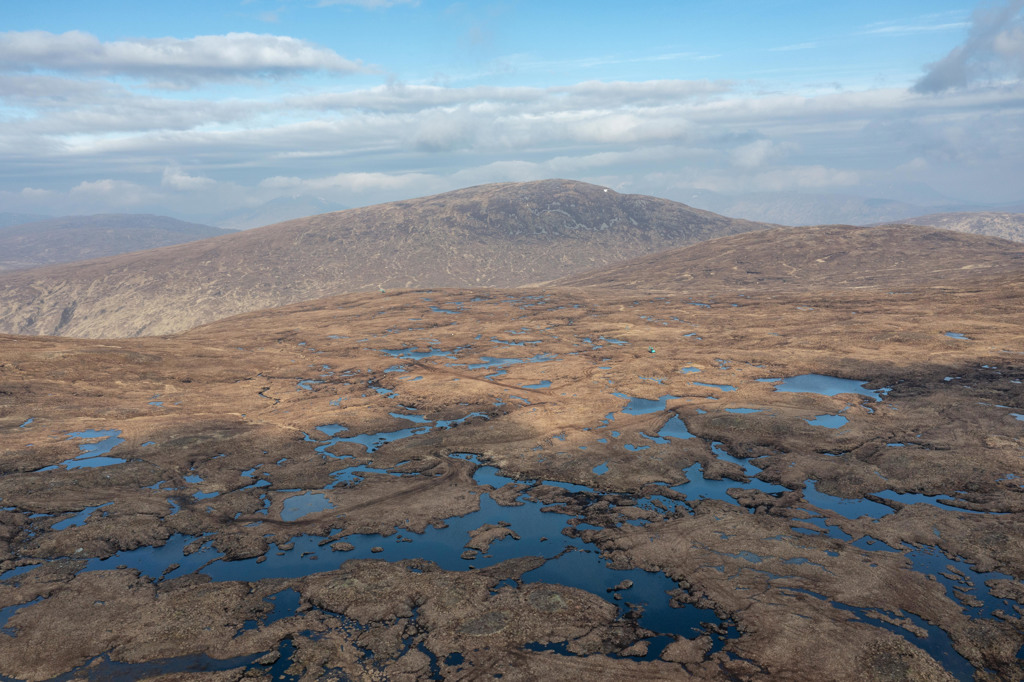
Peatland restoration involves using a variety of techniques to revegetate bare peat and raise the water table of the blanket bog 

Ditch Blocking

Vegetative dams are installed by the excavator every 5-12m along drainage channels. The aim of this is to impound runoff and create an overspill of water to surrounding habitats. Surrounding vegetation is removed by the excavator and placed throughout the channel, preventing oxidization of bare peat.

Dam construction and installation

Damming is undertaken to raise the bog water table, keeping the peat waterlogged which prevents erosion and keeps carbon locked within the peat. Wooden dams and piling are constructed on site by our operators. Peat dams are also constructed, where possible, including wave dams. We have found these dams effective in preventing sediment runoff and creating a natural waterlogged habitat. A spill bar, the full width of the drain, is installed at the base to prevent erosion

Hag Re-Profiling

Hag reprofiling is undertaken to restore the hydrological balance and vegetation recovery. This is further encouraged by removing overhanging vegetation and using it to cover bare peat after it has been reprofiled to a stable angle of roughly 30 degrees. This also prevents further slumping, erosion, and vegetation loss.

Peat Bunding

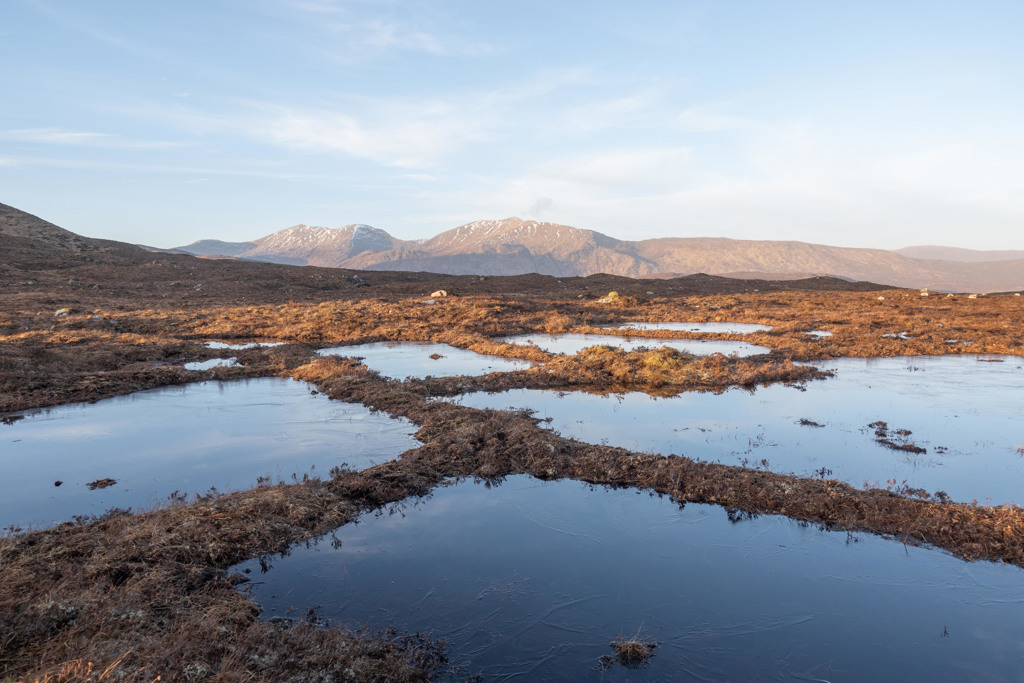
Peat bunding consists of creating long low dams along contours on the bog surface, normally on bare peat. This helps reduce surface water drainage and creates pools of water, allowing for sphagnum to seed and grow. Creating pools on bare peat also helps restore a healthy hydrological balance and creates a habitat, rich in wildlife such as amphibians and dragonflies.

Scrub Management and forest to bog restoration

Scrub and trees increase water loss and degrade peatlands in other ways too, such as through shade and changes to nutrient cycling. Their clearance therefore restores natural peatland function. The return of scrub and trees is then limited by restoration of the waterlogged conditions that naturally resist their colonisation and growth.

Climate benefits

  • check_circleHealthy peatlands capture CO2 from the atmosphere through photosynthesis
  • check_circleWhen the plants die, they do not fully decompose in waterlogged conditions (formation of peat). This means they do not release carbon into the atmosphere as CO2. The carbon is trapped in the peat
  • check_circlePeatlands lock in an estimated 3.2 billion tonnes of carbon in the UK, 20 times the amount of carbon stored in UK forests
  • check_circleEstimated that each hectare of healthy peatland will absorb 10 tones of CO2 each year
  • check_circleThe creation of highly sought after nature based solution carbon credits. These credits are additional and go through a well respected and thorough verification and validation process

Water Quality

  • check_circlePeatlands are the headquarters for most of the UK major water supplies with over 70% of the UKs drinking water coming from peatland sources
  • check_circleWater coming from degraded peatlands contains an increased amount of peat and carbon molecules which taints the water a brownish colour
  • check_circlePeatland restoration helps solve this problem as the vegetation stops the erosion of peat and the peat molecules from making their way down our water courses
  • check_circleHealthy peatlands act as a natural filter as vegetation/ dams/bunds catch any peat or sediment molecules before they enter the burns and streams below

Prevention of Flooding

  • check_circleRevegetated peatlands help slow the water loss off the moorland after a period of extreme rainfall, reducing the risk of a flash flooding
  • check_circlePeatlands in good condition can absorb more precipitation than areas of bare peat thus reducing surface runoff and the risk of flooding further downstream
  • check_circleThis helps reduce the peak flow and the height which the rivers/burns will reach

Biodiversity

  • check_circleHealthy peatlands are home to a great variety of invertebrates
  • check_circleThe specialized waterlogged, high acidity conditions of the bog lead to a massive variety of plants and flowers able to grow on the bog
  • check_circlePeatlands are also home to vast range of wildlife

Our work

zoom_in
zoom_in
zoom_in
zoom_in

Contact Us

location_on
Address

Croft 1 Achnahanate,
Spean Bridge PH34 4EX

phone
Phone

07413 632505

alternate_email
Email

info@plrscotland.co.uk